Brand vision
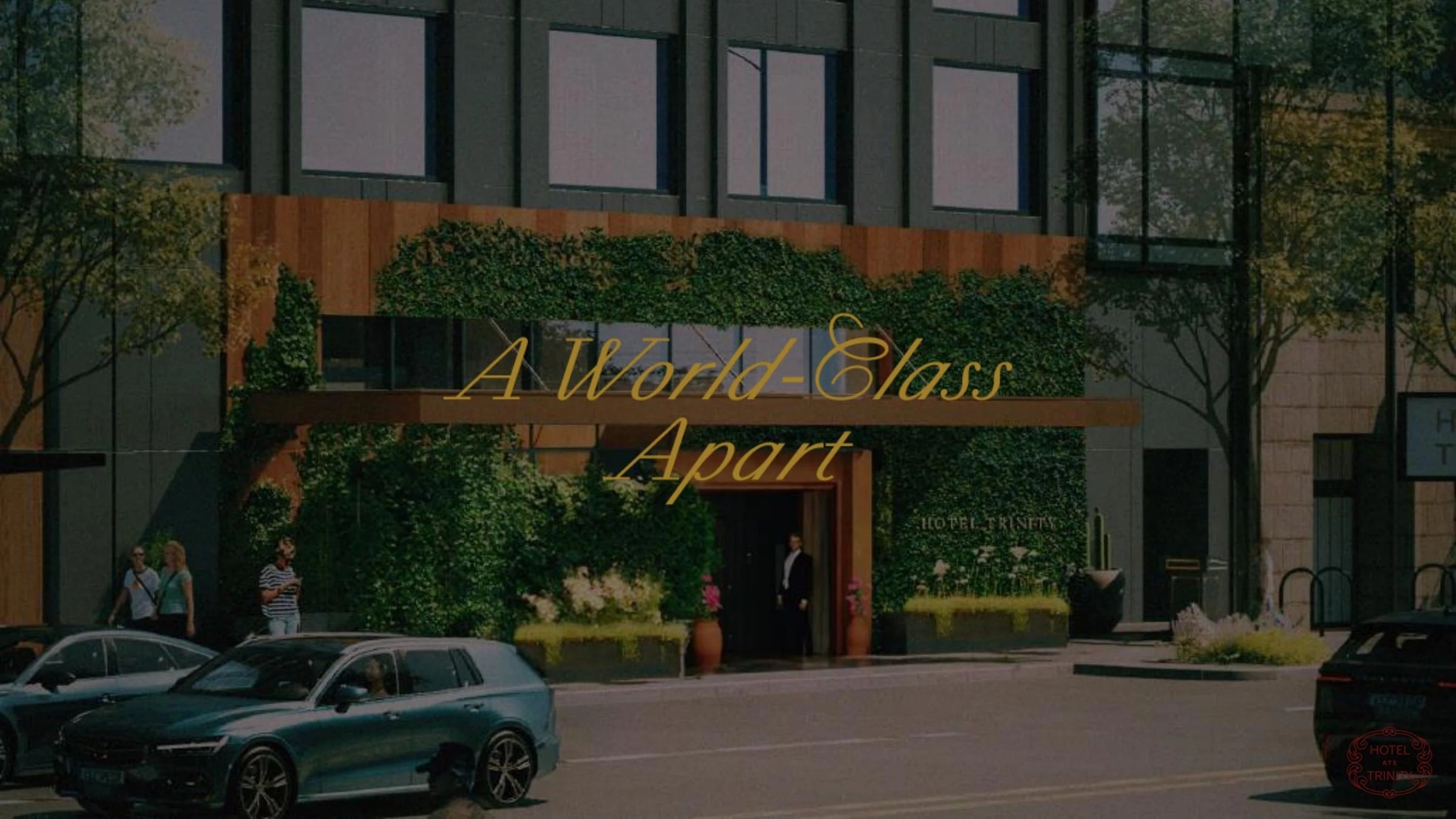
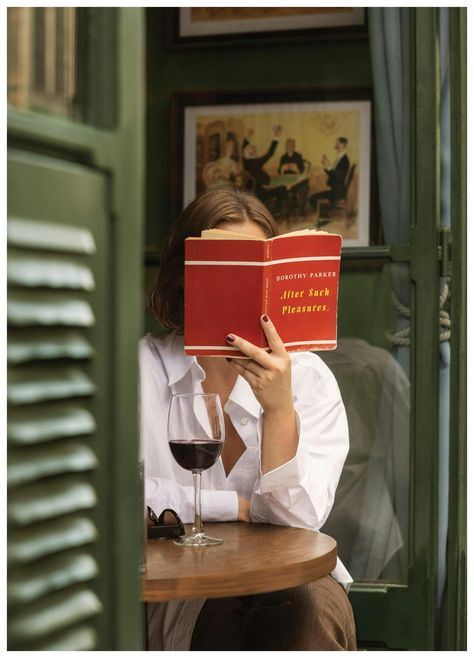
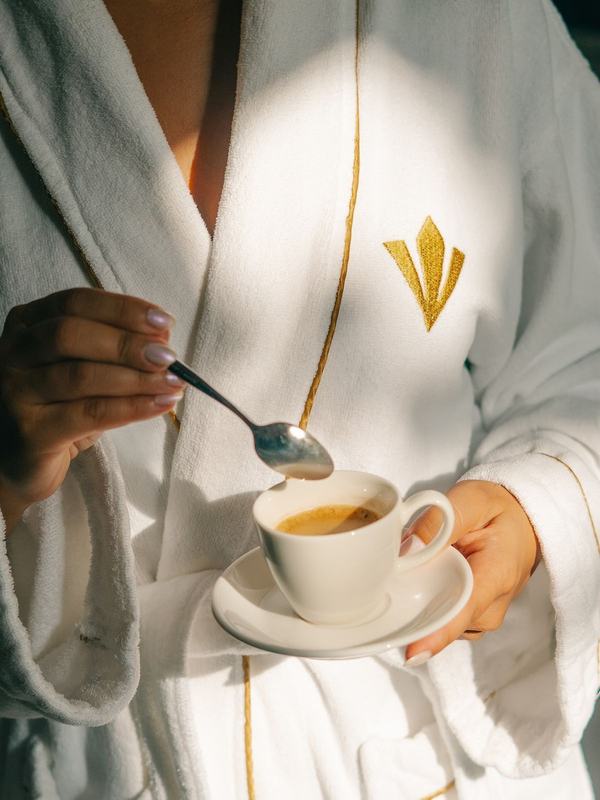
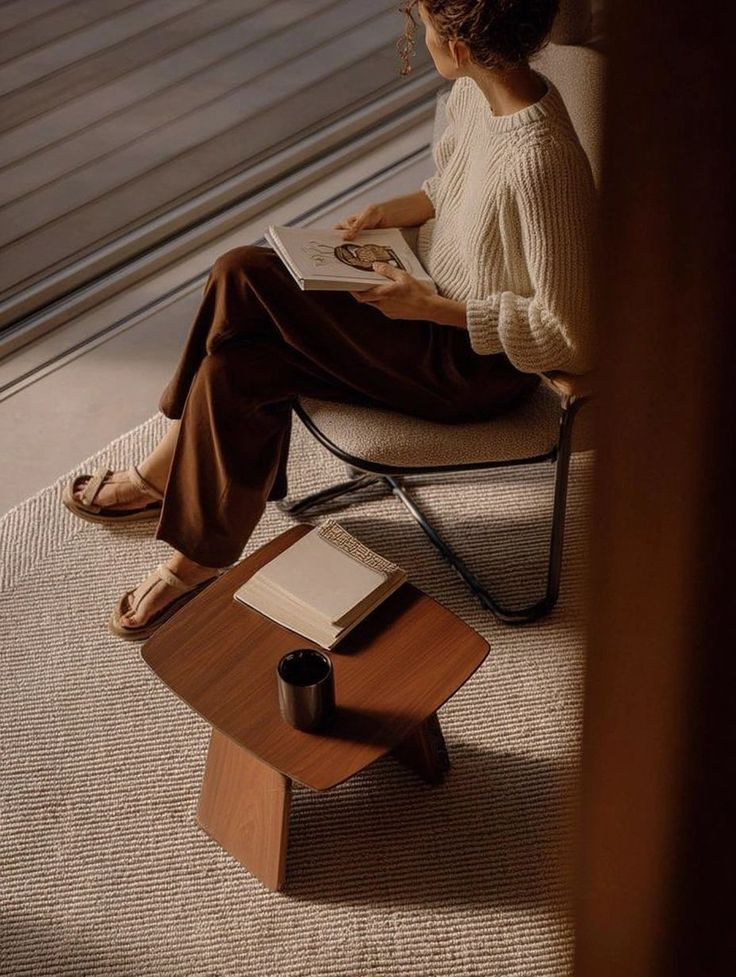
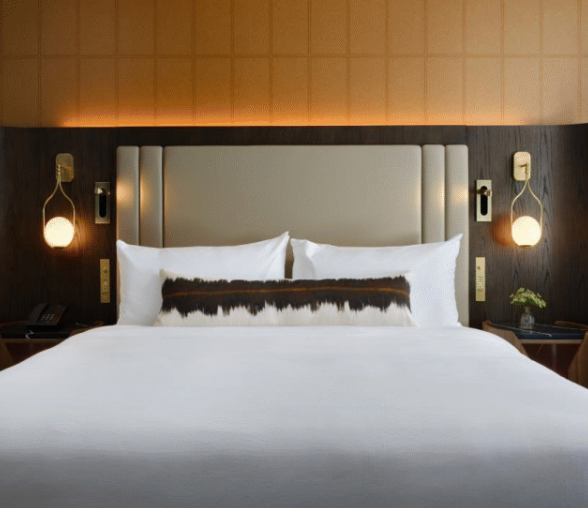
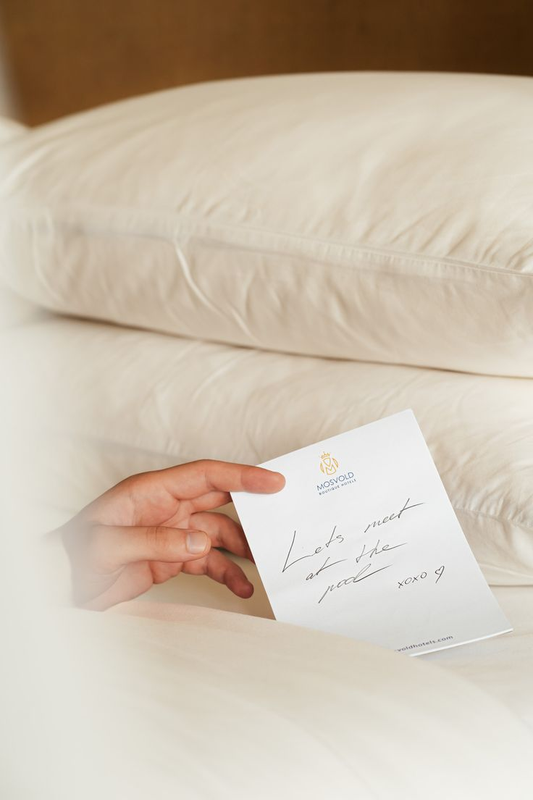
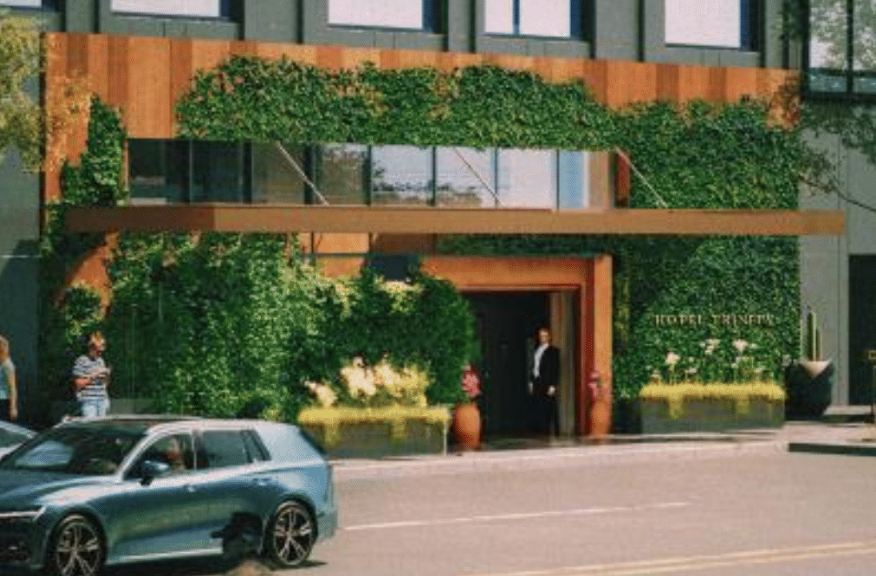
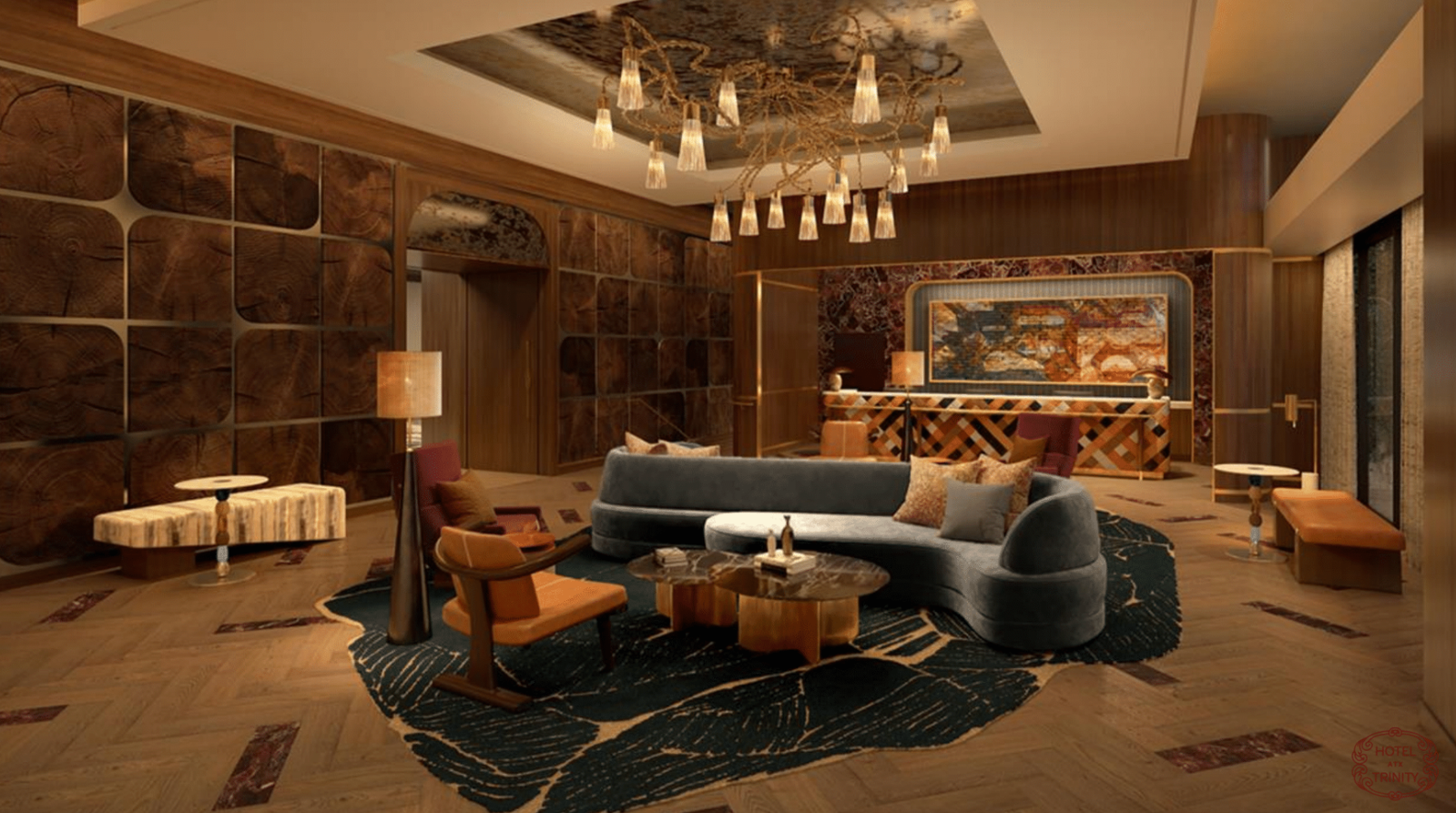
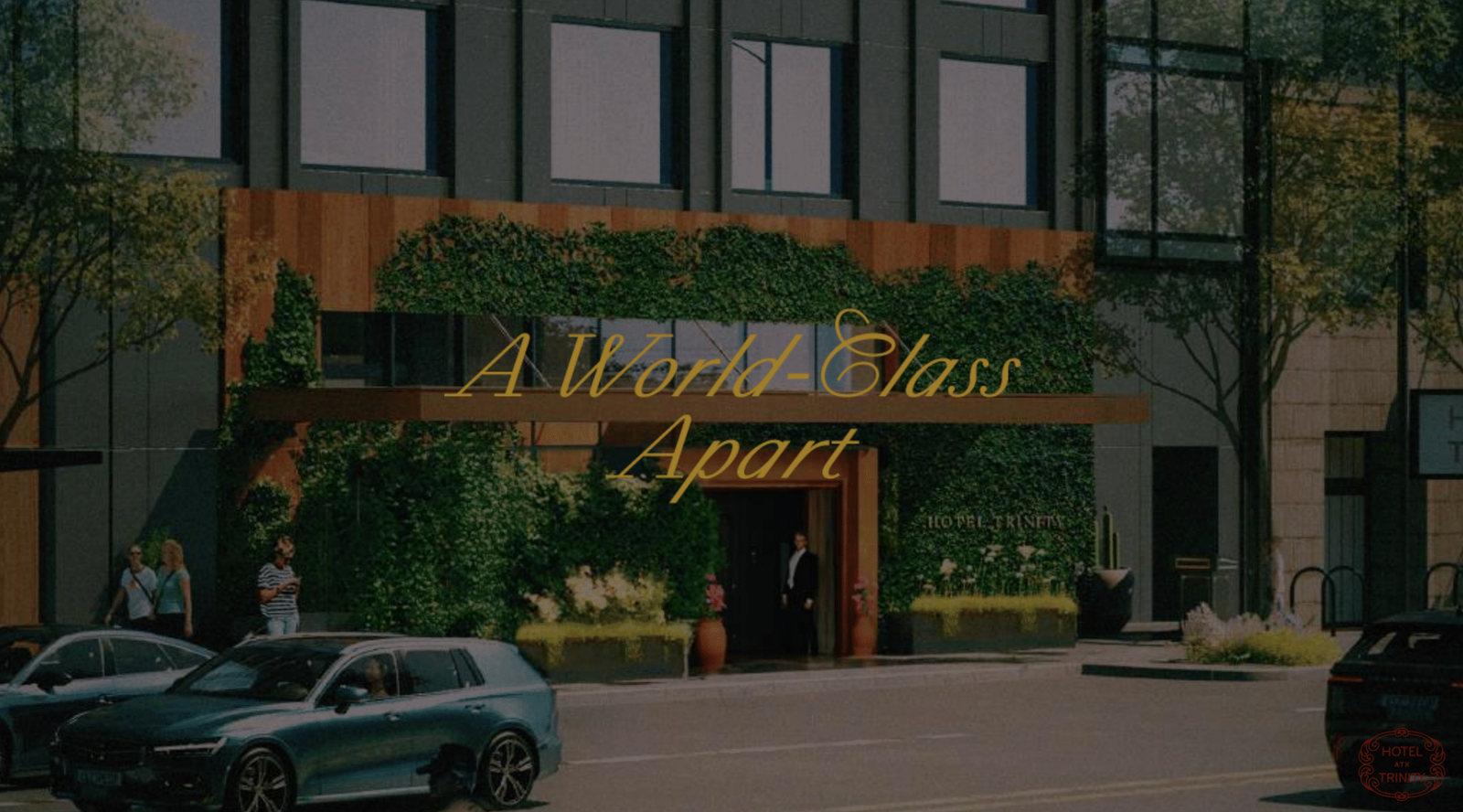
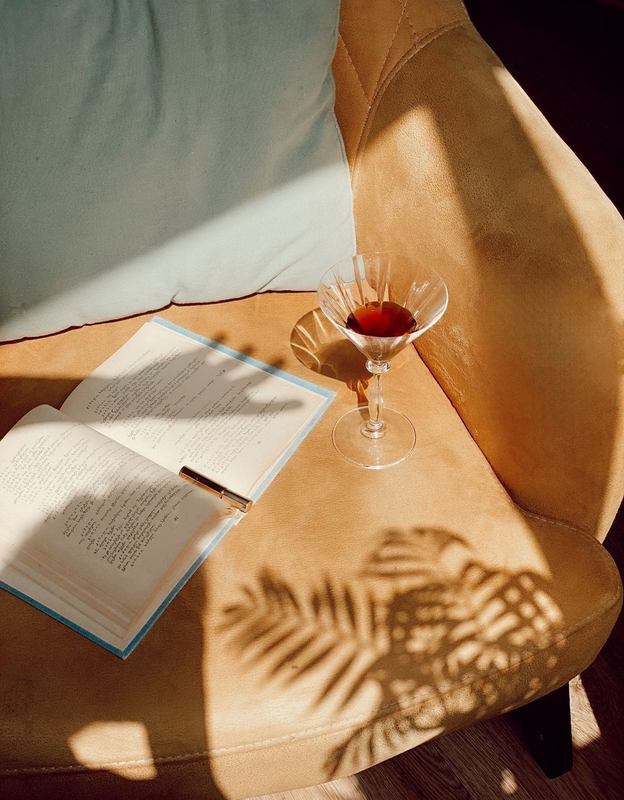
Hotel Trinity is your own private Austin, a home base where the city's energy meets the calm of home. This isn't a hotel that feels like a hotel; it's a private building with exceptional hotel-level service layered in, where every interaction is shaped by a residential promise: personal, familiar, rooted in belonging. We don't serve guests; we welcome residents, anticipating every need with quiet confidence and effortless discretion. Here, exclusivity feels natural, service feels personal, and every stay feels lived-in rather than lived-through.
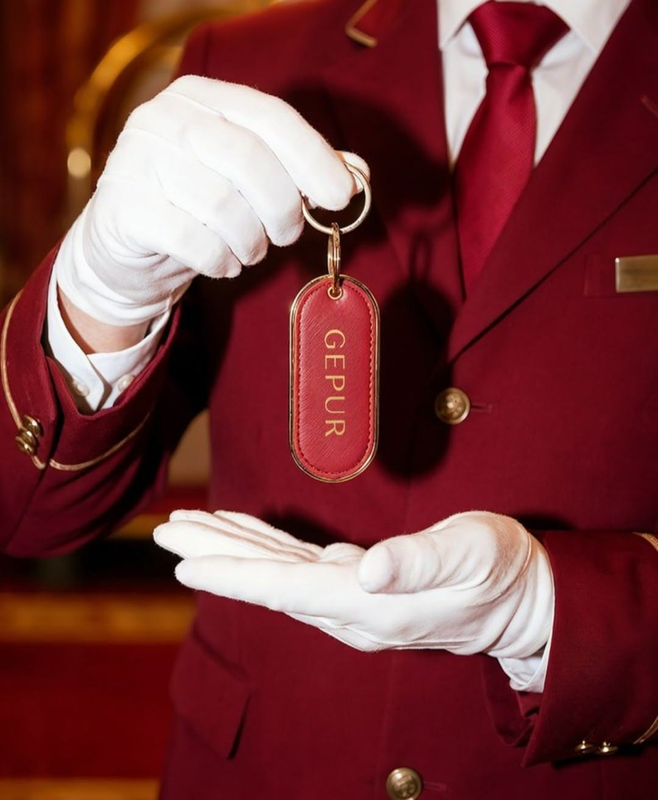
A stay at Hotel Trinity is more than a room – it's a key. It unlocks the city's most coveted experiences: a seat at the Sundeck Sessions with Antone's, a table at the Yacht Club where you're instantly in-the-know, the kind of access that can't be booked, only belonged to. This is an insider's pass to Austin, designed to help guests live like residents – moving through the city not as visitors looking in, but as locals who already know where to be.
Rooted in Austin's soul yet cosmopolitan in spirit, Hotel Trinity offers a rare kind of belonging: the freedom to be close to the action, without ever losing your privacy or your peace.
Hotel concept
The consistent thread through Hotel Trinity is making guests feel like they live in Austin, not just visit it. Every touchpoint – service, programming, access – is built around this residential promise.
Signature Moment within the guest experience
Hotel Trinity's exclusive partnership with Antone's Night Club, Austin's legendary live music venue for over 50 years, is the defining signature moment of the guest experience. It's the ultimate insider key: a locally-loved cultural institution brought within our four walls, expressed through three distinct touchpoints.
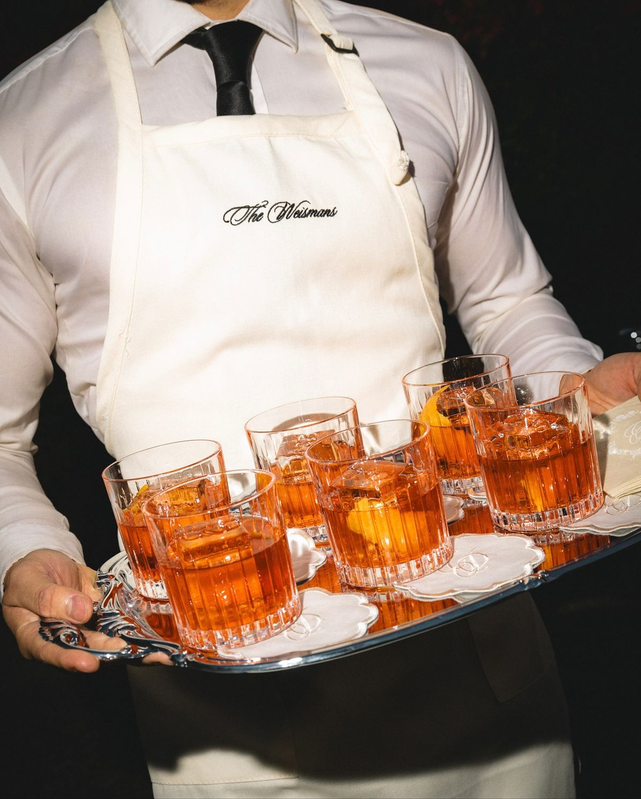
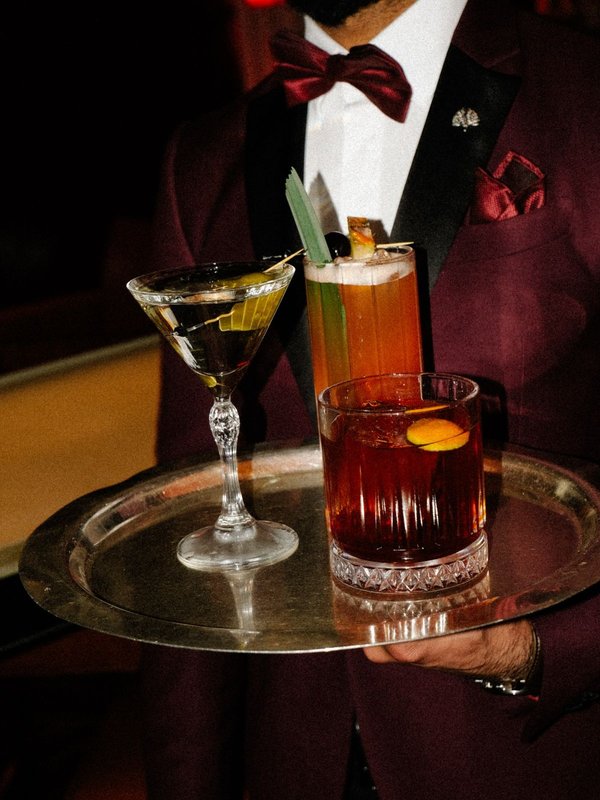
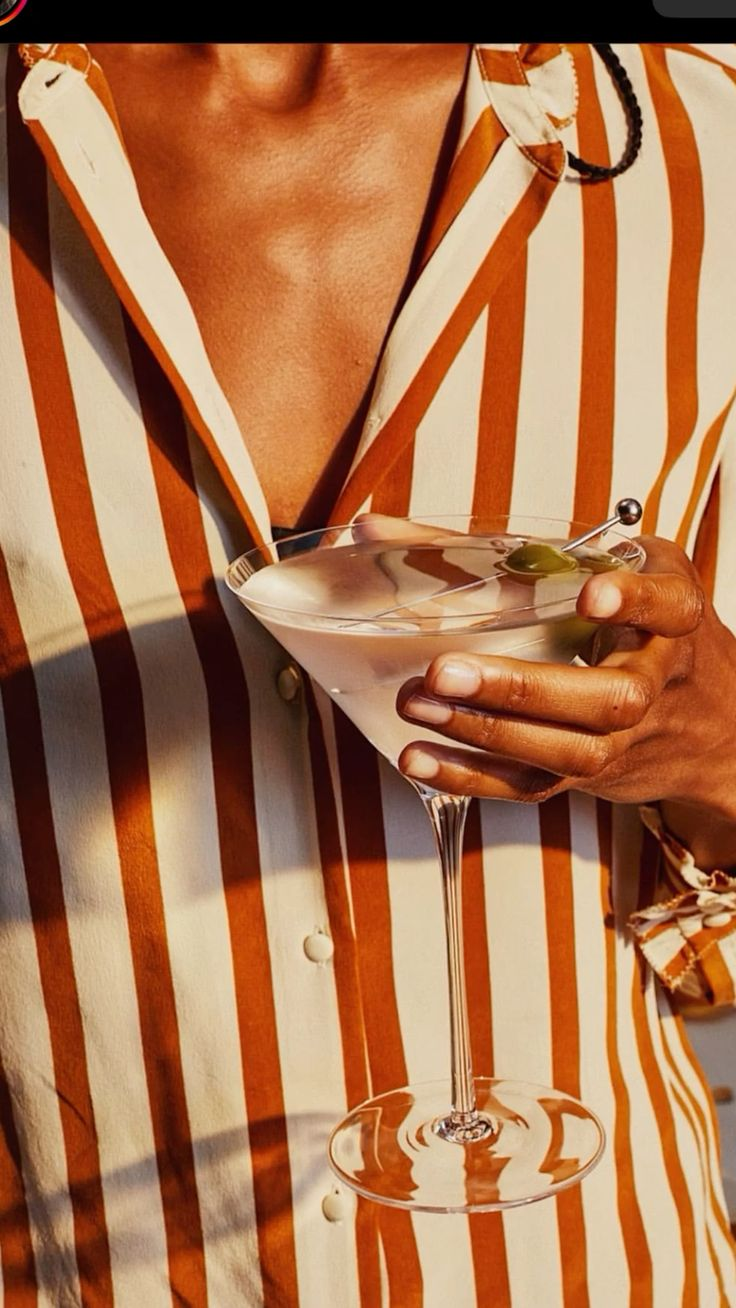
It begins nightly at Resident Cocktail Hour, where every guest is offered a complimentary Antone's signature drink. For those who want to go deeper, Antone's Experiential Suites offer a fully immersive stay, dressed in memorabilia and design details that put guests inside the venue's history. And on select evenings, it all builds to Sundeck Sessions by Antone's, an intimate, live music performance on our rooftop, exclusive to Hotel Trinity guests.
Together, these moments mean guests don't have to seek out Austin's music scene – it comes to them, layered into the stay at every level. It's the one experience no other hotel in Austin can offer, and the clearest expression of what it means to stay like a true local resident.
Designed to attract attention and spark conversation
The Antone's partnership isn't just a guest amenity, it's designed to turn heads and start conversations. A nightly cocktail/mocktail inspired by a 50-year Austin institution, suites dressed in music history, live music sessions guests can't get anywhere else – these are the details people talk about before they even check in, and the stories they tell long after they check out. It's inherently shareable, undeniably unique, and gives Hotel Trinity a hook that competitors simply can't replicate: proof that this hotel isn't adjacent to Austin's culture, it's woven into it.
Inspired by the hotel's brand
The Antone's partnership is a direct expression of Hotel Trinity's brand DNA. The brand promise is to make guests feel like residents, not tourists, and nothing does that better than access to a cultural institution locals have loved for over 50 years. It brings the "Your Own Private Austin" pillar to life: guests don't have to leave the building to experience the city's soul, because the city's soul is brought to them. It reflects the brand's quiet confidence and discretion: this isn't a flashy, publicized attraction, it's an insider's privilege, available only to those staying within these walls. It's the clearest possible proof point of what the brand already promises: a stay that feels like belonging, not visiting.
Brought to life by space, object and person
- Space: the rooftop, where Sundeck Sessions by Antone's transforms a hotel amenity into an intimate music venue, and the Antone's Experiential Suites, where the space itself becomes immersive, dressed in memorabilia and design cues from the venue's history.
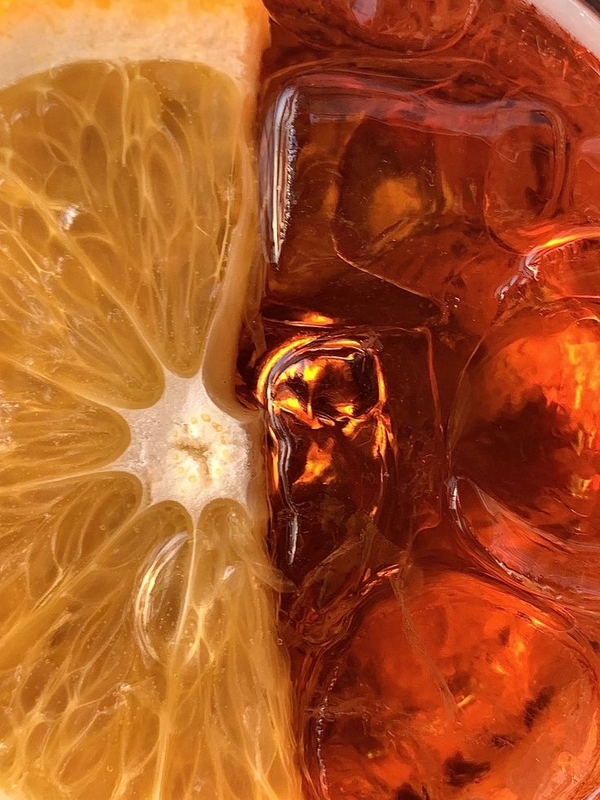
- Object: the nightly Antone's signature drink at Resident Cocktail Hour is a tangible, repeatable touchpoint guests can hold, taste, and talk about.
- Person: Antone's renowned talent booker, who curates the live performances to bring an authentic, credentialed insider into the guest experience rather than a generic in-house entertainment booking.
The Autograph Moment, as we'd say it to a guest
At Hotel Trinity, you don't just visit Austin, you get the keys to it. Our exclusive partnership with Antone's, Austin's legendary music venue for over 50 years, is your insider access to stay like a local: a signature drink every night at Resident Cocktail Hour, select experiential Antone's suites steeped in the venue's history, and Sundeck Sessions by Antone's bringing live music to our guest-only rooftop twice a week.